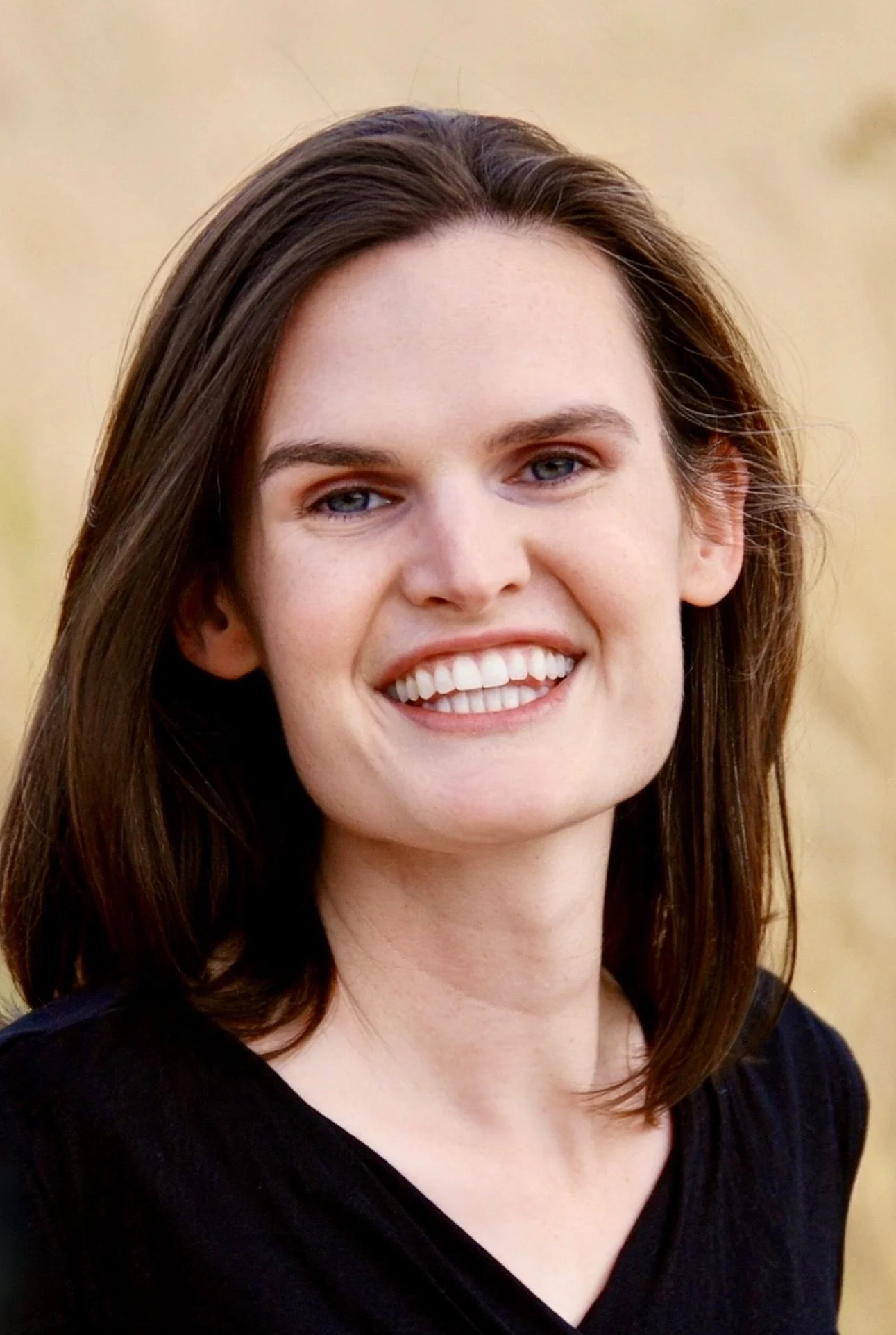
Close-up of a woman with shoulder-length brown hair, blue eyes, smiling, wearing a black top, with a blurred outdoor background.

I’m a writer whose work currently focuses on how shifting demographics and politics are reshaping what it means to be a member of the Church of Jesus Christ of Latter-day Saints, sometimes known as the “Mormon” church. My writing appears at venues such as The Salt Lake Tribune, By Common Consent, and Wayfare.

My latest book, After Happiness: Living with Faith in a Time of Crisis, asks how we can expand our faith when our lives’ outcomes and our societies’ trajectories are not what we would hope. It argues that the gospel became enmeshed with individualistic formulas for happiness that were specific to post-war America. As these formulas cease to be viable, we have a chance to build a more resilient faith.

I have a BA from the University of Chicago, a JD from the University of Virginia, and a PhD from Columbia University.

  • “Natalie Brown is one of the Latter-day Saint community’s wisest and most original thinkers. She asks hard questions of the tradition, she takes suffering and fear seriously, but she also refuses to surrender to despair.”

    — Matthew Bowman, Howard W. Hunter Chair of Mormon Studies at Claremont Graduate University

  • “At last, a book for Latter-day Saints who have struggled to find the happiness they expected despite a lifetime of following the recommended formulas.”

    — Susan Hinckley, author and co-creator of At Last She Said It

  • “It is a rare and vital thing for an author to tackle the profound question of what constitutes the good life, but Natalie Brown does so brilliantly.”

    — Caroline Kline, Research Assistant Professor, Claremont Graduate University

  • “It's a mistake, Natalie Brown warns us, to confuse goodness with happiness. Christian discipleship is about the former, not the latter.

    She's right.”

    — Adam S. Miller, author of Original Grace

  • “[A] highly intelligent, movingly heartfelt, and deeply faithful meditation on the risks of conflating the gospel’s message of happiness with the image of happiness mediated by an American society under increasing stress.”

    — Matthew Wickman, University Professor of English, Brigham Young University

  • “It’s exactly the kind of book that needs to be discussed in reading groups and talked about at the water cooler.”

    — Cynthia Winward, author and co-creator of At Last She Said It